

We make ourselves verifiable.
Transparency & Precision
We disclose how we work: limited quantities, published analysis values, and a drinking window based on tasting.
Why our wines are named after suite movements.
Our wines bear the names of classical suite movements – Gigue, Sarabande, Allemande, Louré. This is more than just an image. A suite consists of clearly defined movements, each with its own tempo and tension, and that's exactly how we work in the cellar.
The character and balance of a wine are created through decisions that we consciously make and can also name. That's why transparency is part of our daily work. We show how a wine is made – that's part of our philosophy.

Precision you can understand.
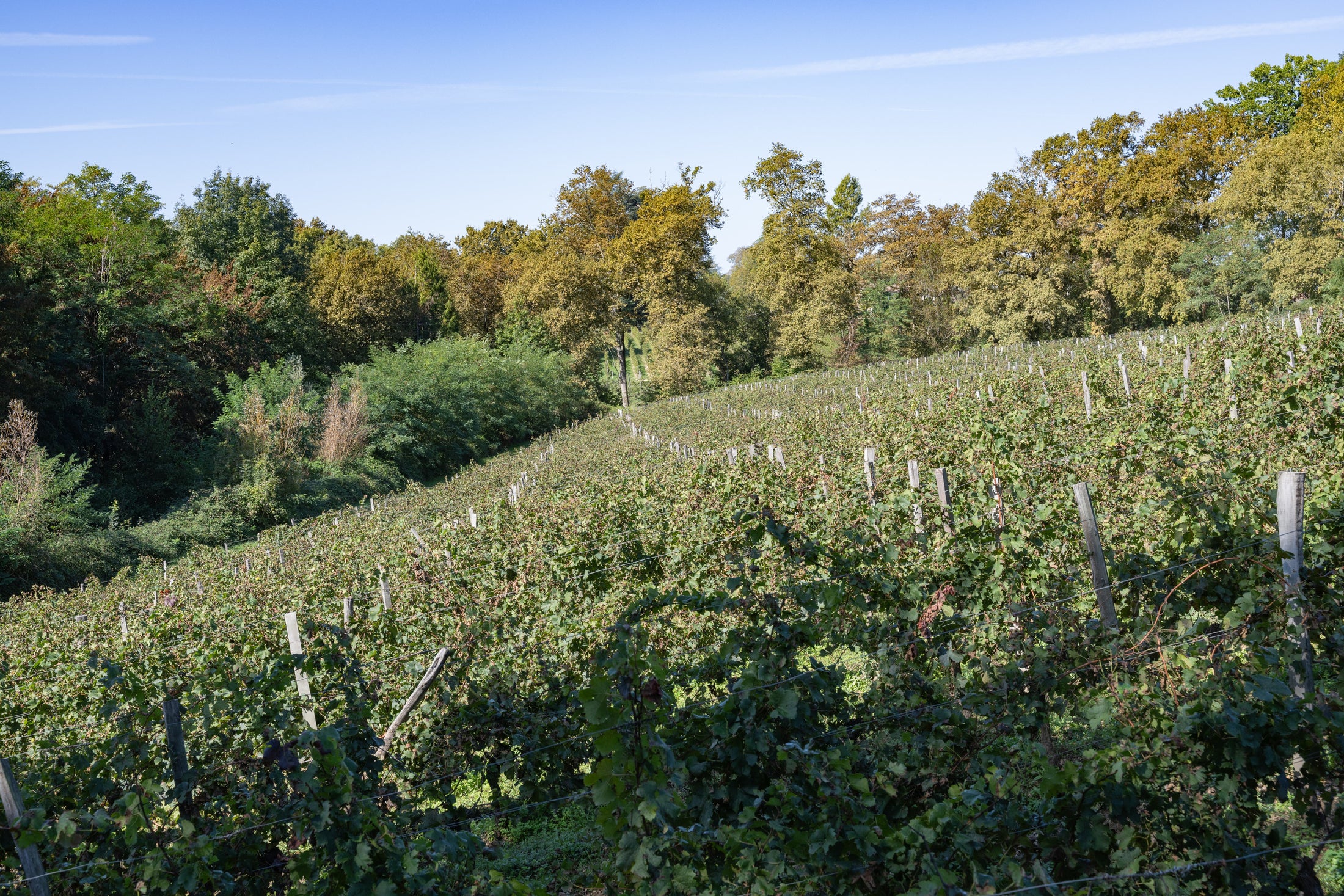
We harvest each of our four terroirs separately and vinify them individually so that each parcel retains its own voice. We assess ripeness by tasting and by the physiology of the grapes; the laboratory values ultimately confirm what we taste.
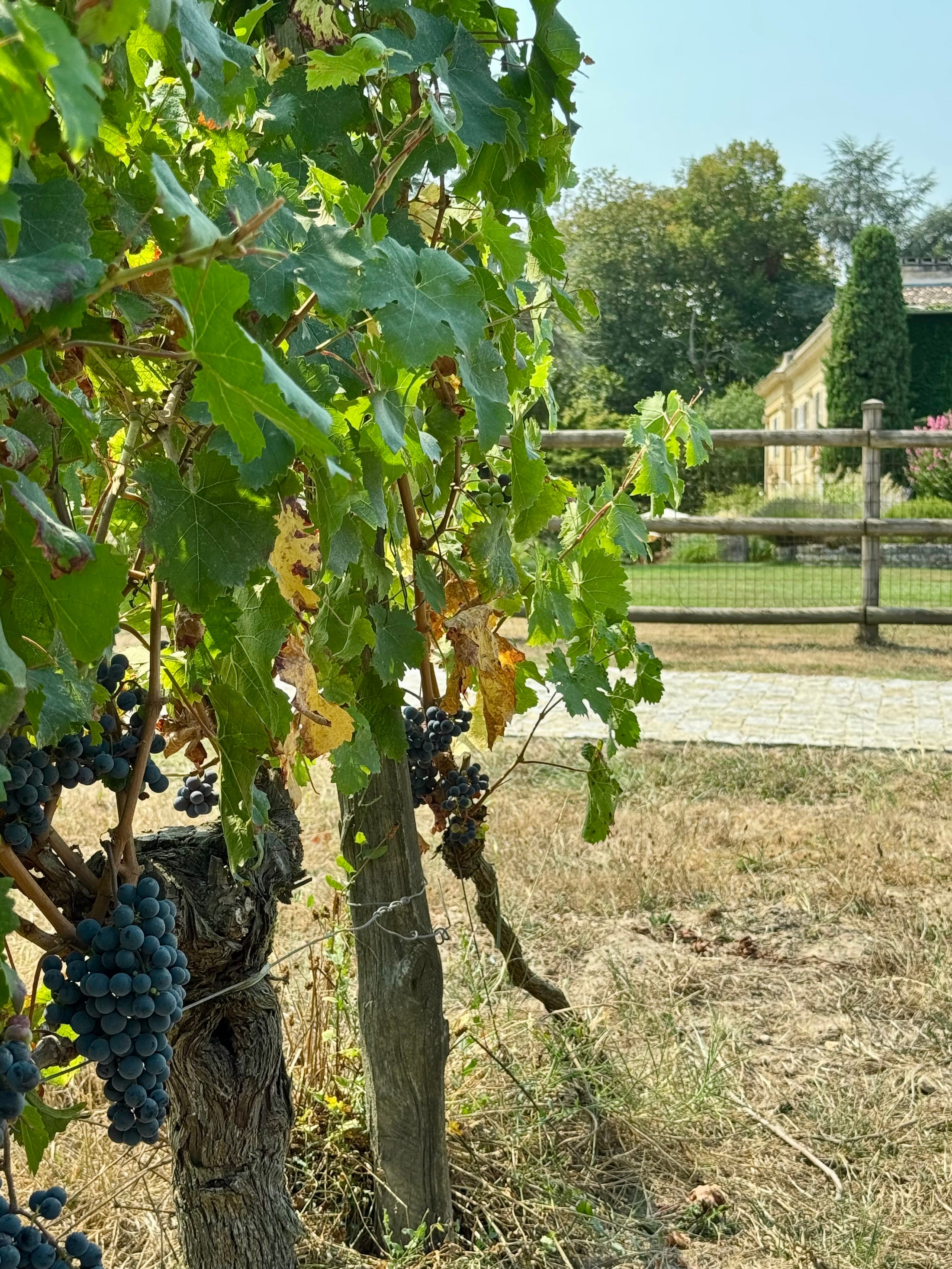
We deliberately keep the production of our red wines small, as a result of strict selection in the vineyard—this leads to their limitation. And if a wine matures longer in barrels or in the amphora, it is because its structure requires that time.
Transparency means being open to scrutiny.
We publish our analysis data so that anyone who wants to can classify the wine. And we state a drinking window – roughly 2025 to 2040 – based on tasting, structure, and experience. Anyone who wants to know how a decision came about should be able to look it up.

The same attitude, beyond wine.
The concept of the suite extends beyond the cuvées and shapes how we manage the estate. From this same philosophy grew the Domaine as a place of culture, and from it the Fonds aux Conseillans, with which we support young musicians.
Ultimately, it is precisely this meticulousness that determines whether there is depth and length in the glass.
Read more deeply.
How we achieve precision in everyday life – learn more in our context texts.
"Clarity creates trust. Trust creates permanence."Our Guiding Principle