
Arriving
Like a salon in Bordeaux.
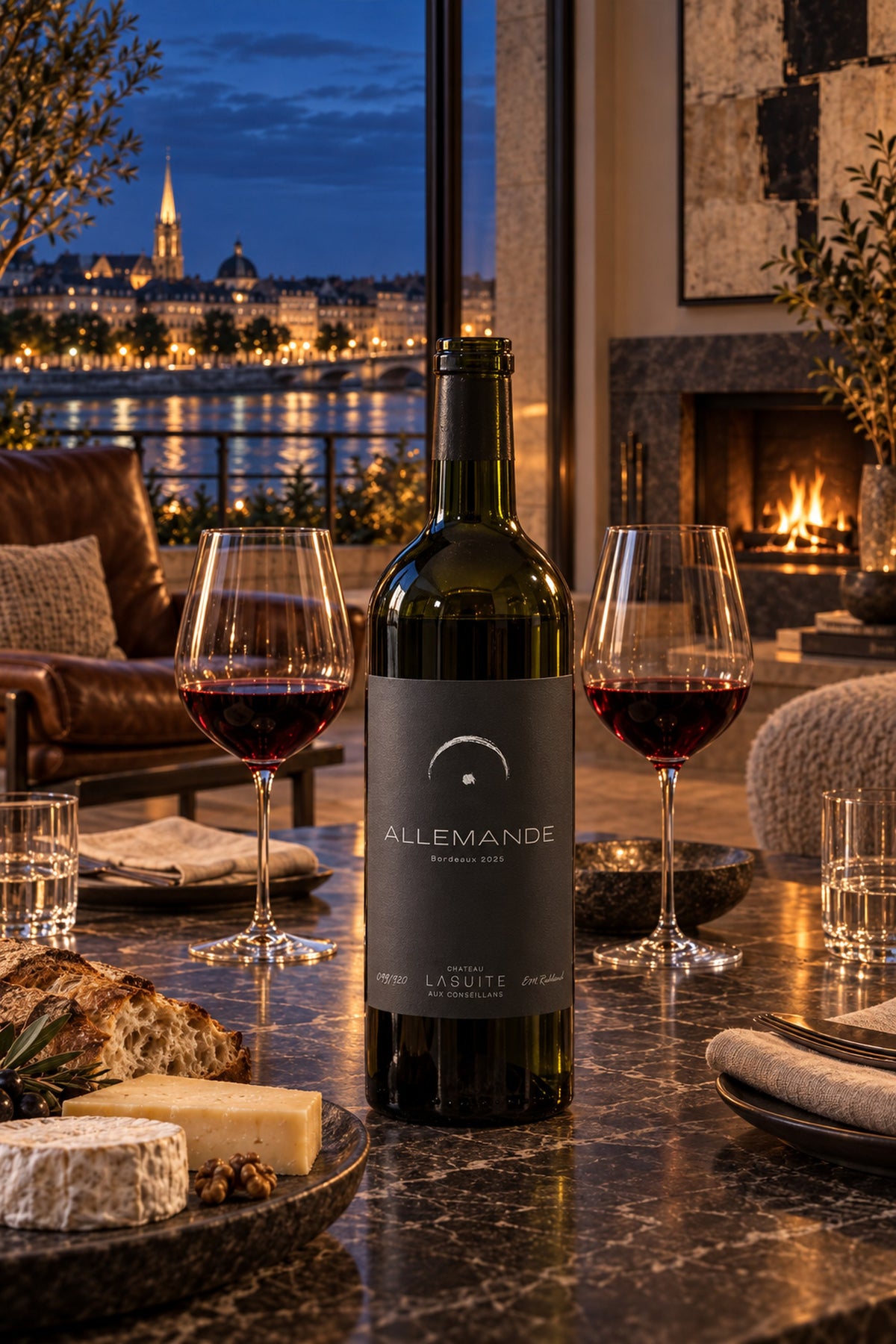
Structure and finesse, never loud. A wine for decades, not for the moment.
Calm, measured, every step placed with weight – that is how an allemande moves, and how this wine is built.
A mild winter, budbreak two weeks earlier than usual, then heavy rain over Easter that filled the water reserves — in hindsight the decisive turn of the year. May through August ran consistently above average, and August brought ten days above 35 degrees. The rain did not return until the final days of August, and it came at the right moment: it ripened the late Cabernets, kept the alcohol down and the acidity up. The red harvest ran almost entirely in September. At 33.6 hl/ha it was the smallest crop in Bordeaux since 1991 — little juice, great concentration.
- Grape varieties
- Cabernet Sauvignon, Cabernet Franc
- Limitation
- 1100
- Ageing
- more than 20 months in wooden casks
- Drinking window
- 2036 – 2065
- Serving temperature
- 16 °C
- Decanting
- yes, give it some time, especially while it is young
Stone, bronze, river
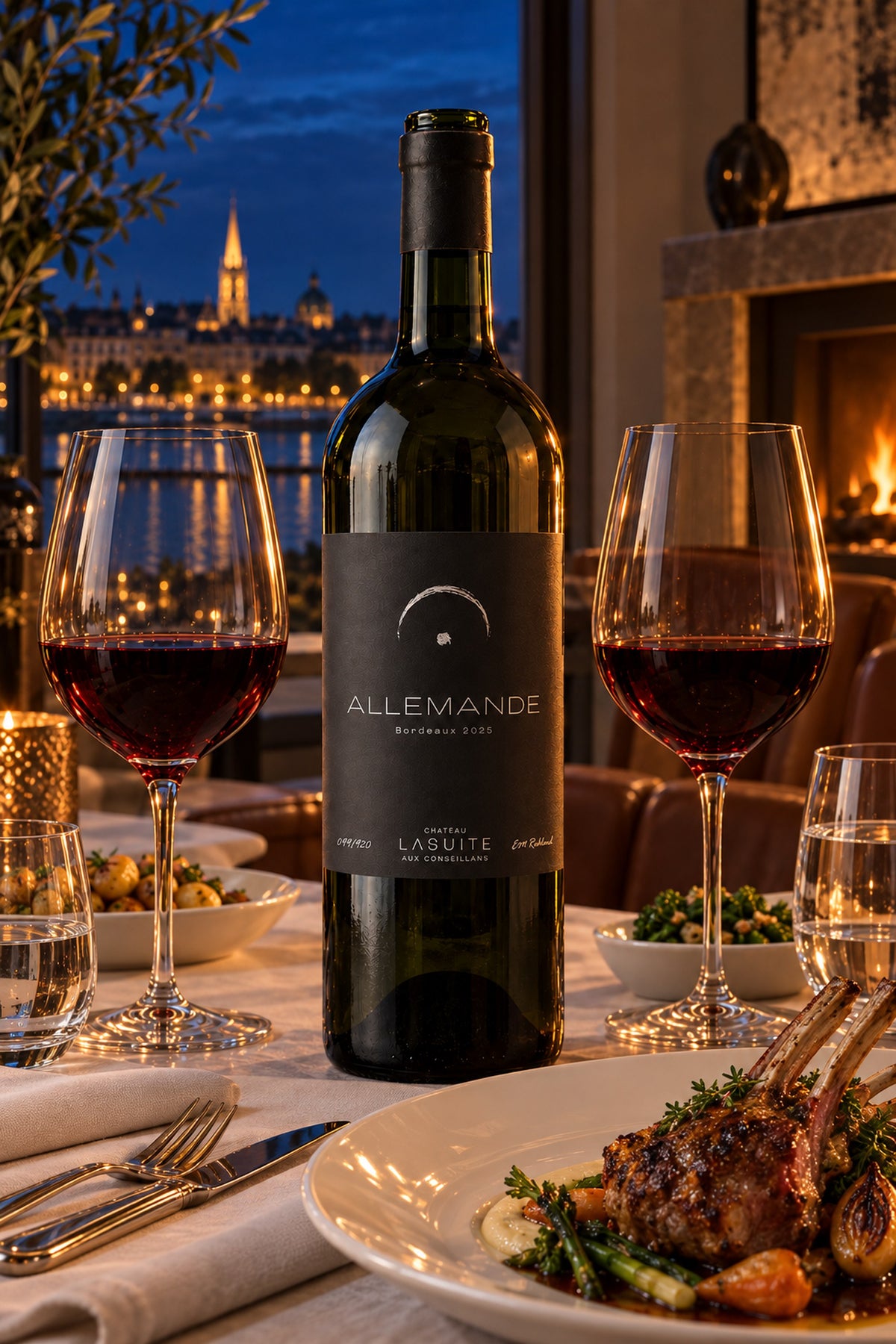
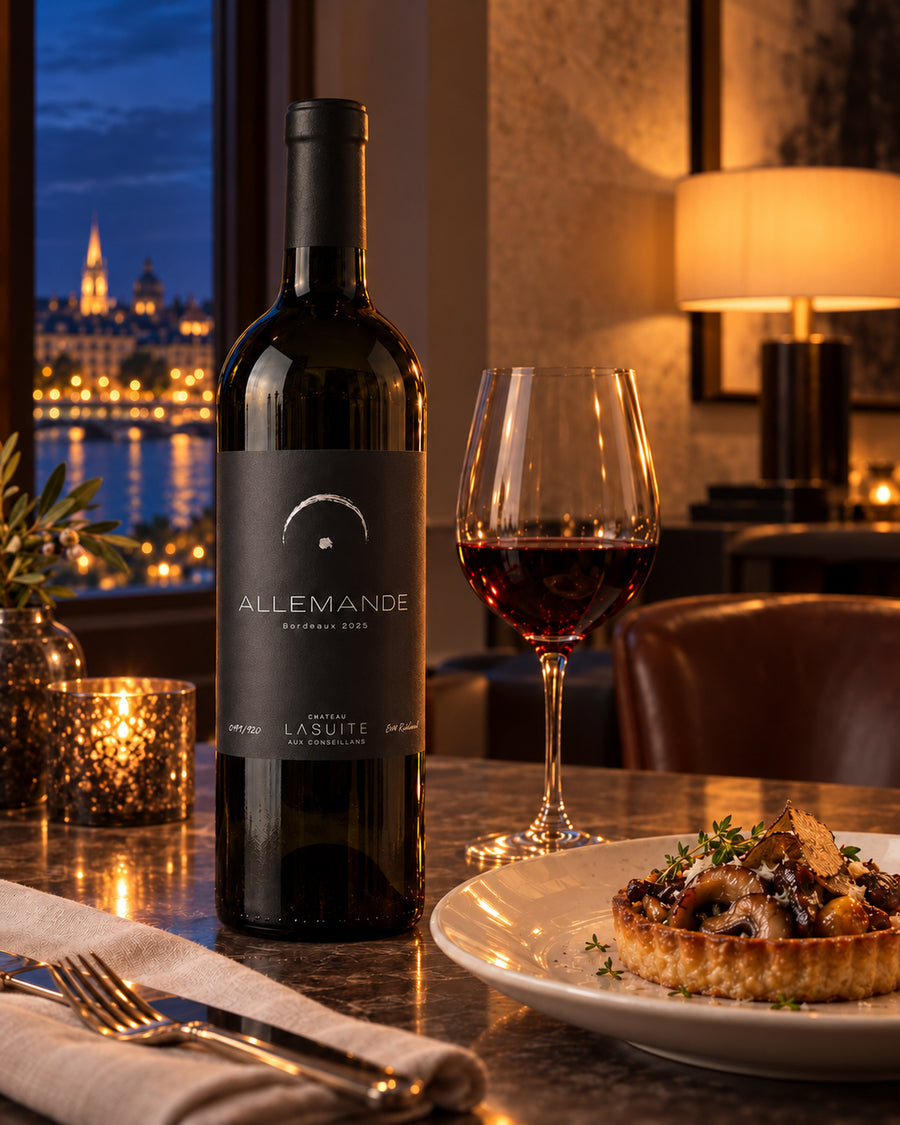
The first glass
The flavour profile of Allemande 2025
Allemande is made from Cabernet Sauvignon and Cabernet Franc grown on the gravelly soils of the Domaine. It is structured and built around clear fruit, around cassis and graphite: a wine of finesse that never turns loud. Allemande 2025 is maturing slowly for more than 20 months in wooden casks. It reveals its full harmony only with time.
Why Allemande
A calm, weighty step.
A suite is a sequence of dances. Each has its own character, and only all together do they make the whole. That is how our estate is built: each cuvée is inspired by a movement of this suite and takes on the character of its form.The allemande is a measured step in even time, calm and majestic, every line clearly drawn. In the musical suite it opens the sequence of dances and the gigue closes it; with our red wines it is the other way round: Allemande follows the lively Gigue and the stately Sarabande. We make it only in vintages in which the Cabernets reach the necessary depth, and it needs more time than any of our other wines.
Allemande is our homage to structure: calm in manner, firm in build.
Maturity — how it drinks today
Still maturing in the cellar
Expected to be ready to drink: around 2036
Optimal drinking window of Allemande 2025
2036 – 2065
Serving temperature 16 °C.
Our principles
Why we take the trouble
Ageing in our own cellar
Most of our wines go on sale only once they are ready to drink; until then they mature with us, and we carry the risk.
Composed plot by plot
Each plot is vinified separately; only at the end do we compose the cuvée from them.
Time as an ingredient
Depth takes time. We give the wines the years in barrel and bottle that they need.
Organic & HVE4
The Domaine's vineyards are certified organic and HVE4, set within a 19-hectare ecosystem of woodland, meadows, water and vines.
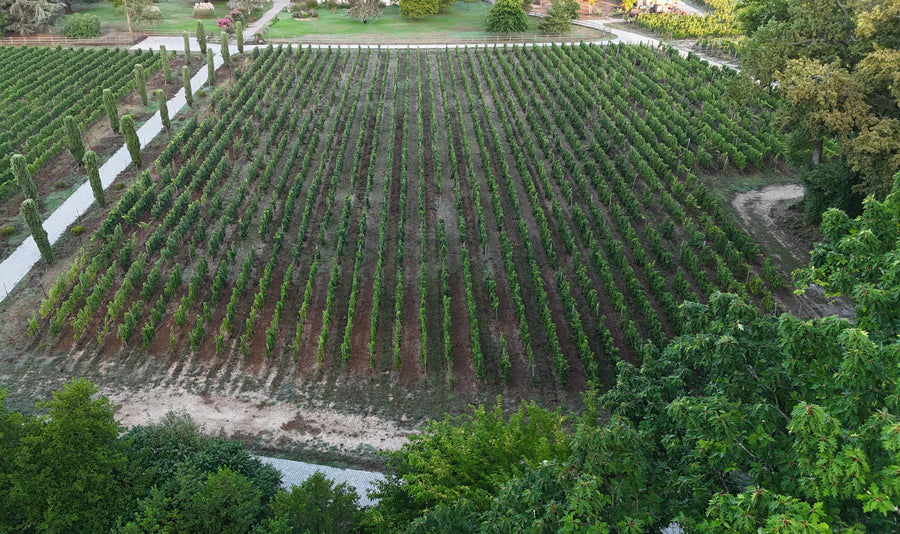
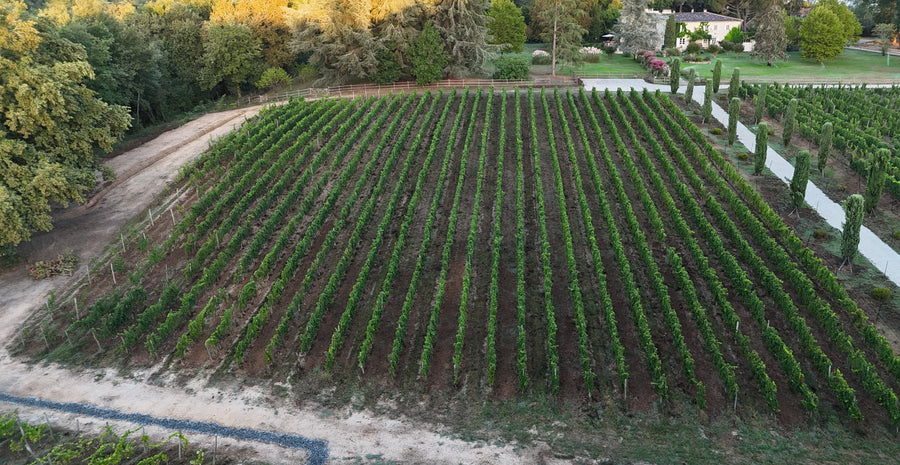
The terroir and the wine it yields
Where it comes from
The parcel map
Click on a parcel number to find out more about it.Tap a parcel number to find out more about it.

- ClayCool and water-holding: depth, structure, a long life.
- Clay-gravelWhere two worlds meet: strength with finesse.
- GravelWarm and draining: energy, precision, lift.
- SandLight and open: freshness and a free hand.
The blend of Allemande 2025
2 Grape varieties
- Cabernet Sauvignon
- Cabernet Franc
Each plot is vinified separately; only at the end does the cuvée come together. More about our terroirs.
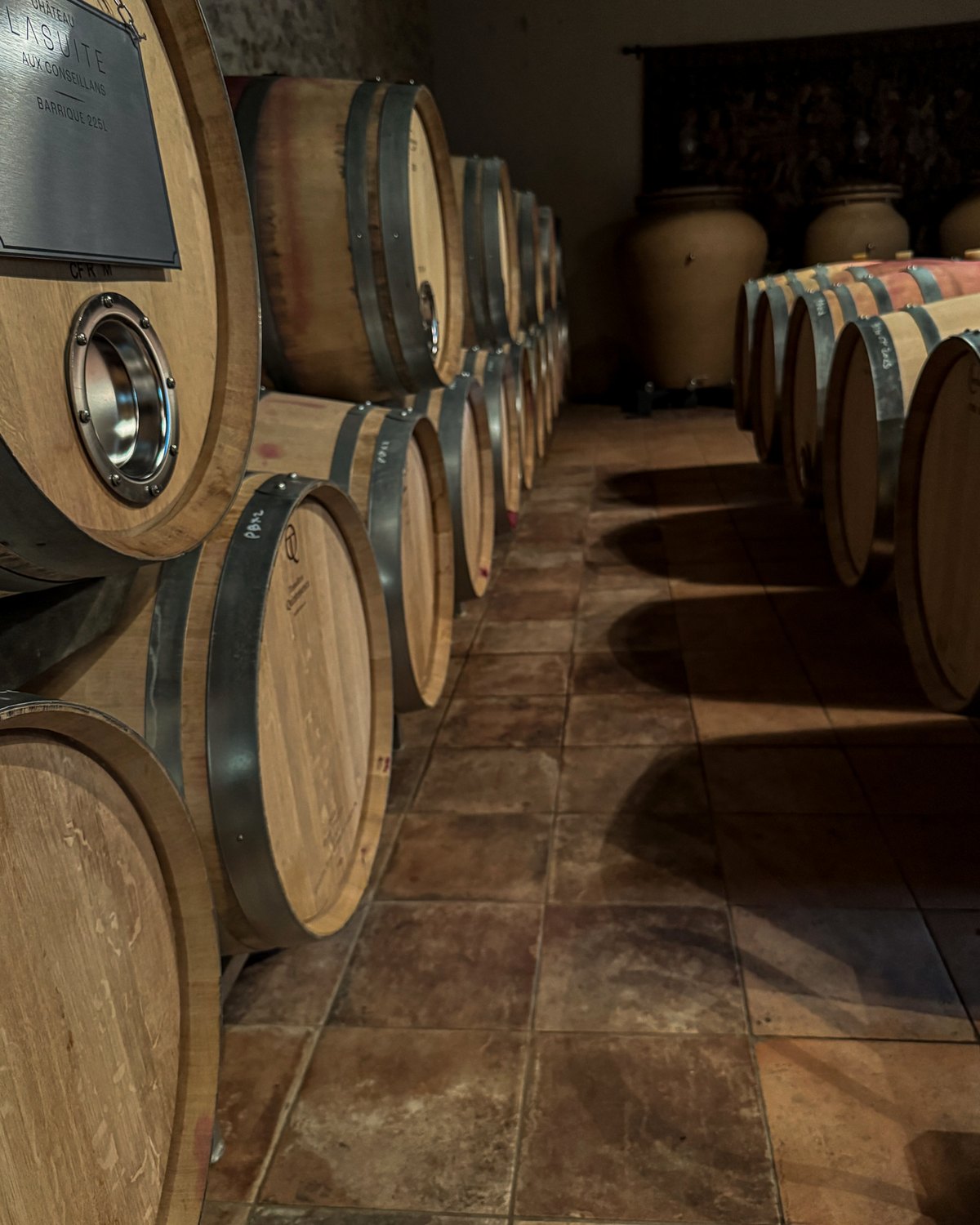
Precision & method
In the tradition of modern oenology
Aux Conseillans was for decades the Domaine of Jean Ribéreau-Gayon — one of the co-founders of modern oenology, founder of the Institute of Oenology at the University of Bordeaux (1949) and long-time owner of the estate. We work in that tradition: each plot analysed and vinified separately, the ageing guided under control, drinking maturity checked in a blind tasting.
For this place
A long road.
Regenerative farming, and one fine day carbon neutral: there is a long road ahead. Our vines are certified organic and HVE4, the highest level of France’s official environmental certification. Three examples of what we do beyond that.
- Hedgerows Some 2,000 shrubs, newly planted along the vines: nesting sites for birds, guiding lines for bats.
- Glass 405 grams. Glass is one of the largest sources of CO2 in a bottle of wine, which is why ours is light.
- Cork Diam Origine: cork, bound with a plant-based binder and beeswax. Free from cork taint, even after many years.
With a little patience
A wine that deserves some time in the decanter: with air, it opens up.
Your evening
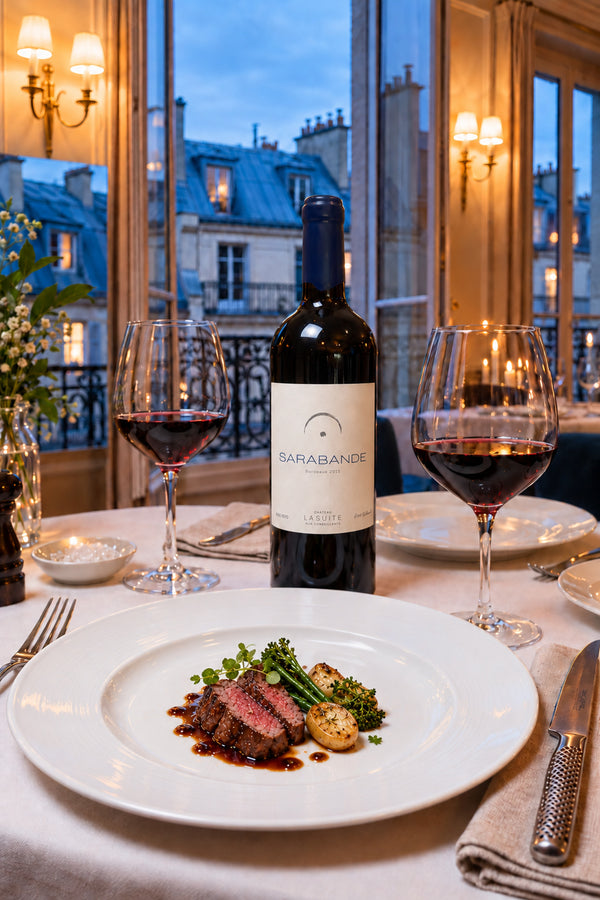
A wine for the table.
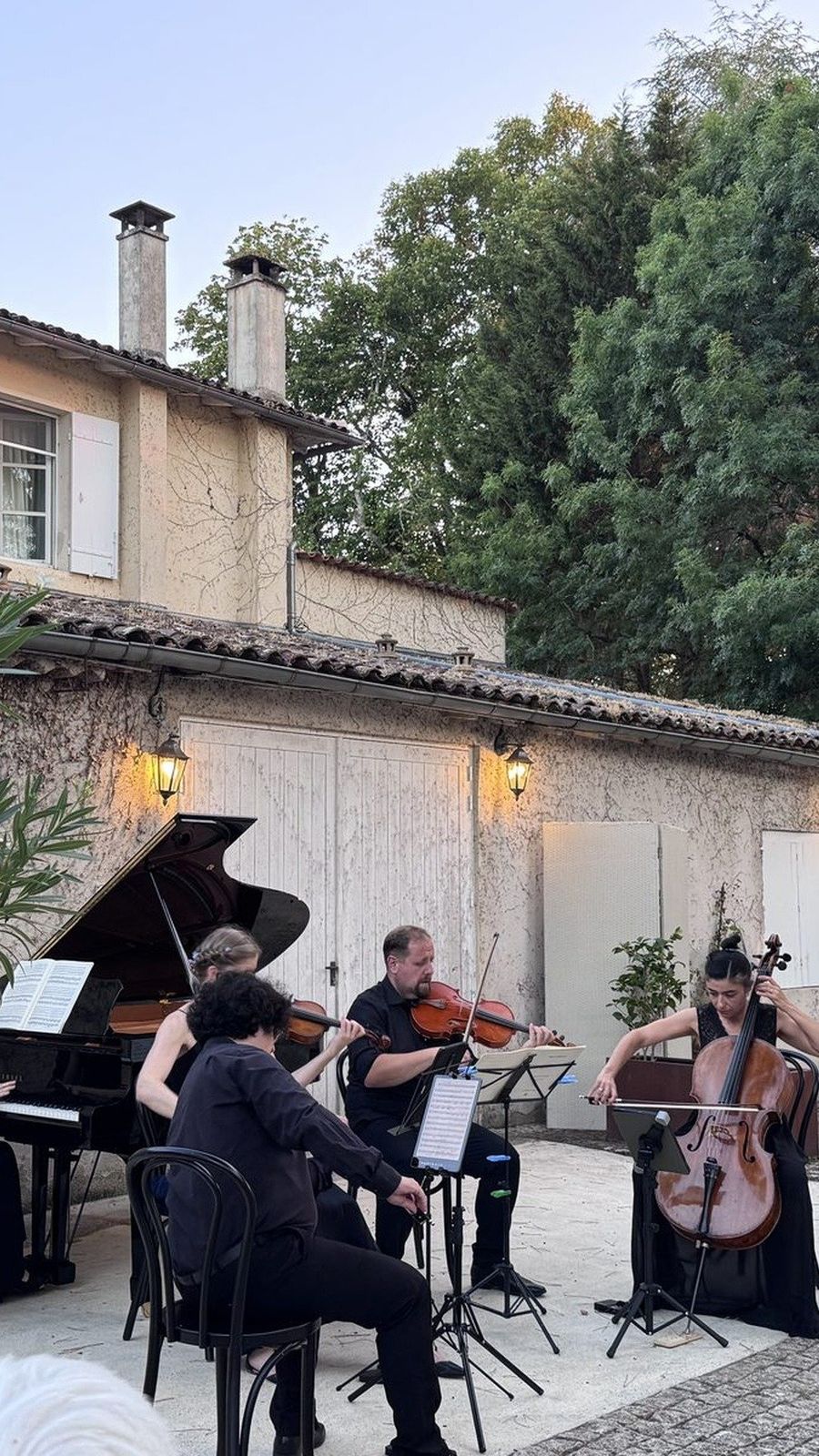
The mood to match the wine
A playlist for the moment
If you are a friend of classical music, here is a playlist that may suit your evening and the character of this wine. One possibility among many; listen in, if you like.
Ageing before bottling
Not yet ready to drink
Expected to be ready to drink: around 2036
When we release Allemande 2025 is decided after an internal blind tasting. When that will be, we never know exactly ourselves.
Frequently Asked Questions · Allemande 2025
Good to know
When will Allemande 2025 be ready to drink?
By today's estimate it will reach its first drinking window around 2036 and should keep well until about 2065. For us it is ready to drink only once an internal blind tasting declares it so; we do not yet know the exact moment ourselves.
Can Allemande 2025 already be bought?
Not yet on open sale: Allemande 2025 is maturing in our cellar. When and in what form we offer it, we will announce in good time in our newsletter.
What is Allemande 2025 made from?
Cabernet Sauvignon from parcel C12 and Cabernet Franc from parcel C8, both on clay-gravel. The final blend is settled only after élevage.
Why is there not an Allemande every year?
We make Allemande only in vintages in which the Cabernets reach the necessary depth. 2023 was a good vintage, but not one for an Allemande; that is why the 2025 is the first.
How is Allemande best enjoyed later on?
At about 16 °C, ideally after some time in the decanter, especially while it is still young.
Technical data sheet · Allemande 2025
| Wine | Allemande 2025 |
|---|---|
| Estate | LaSuite aux Conseillans |
| Origin | Saint-Caprais-de-Bordeaux, Bordeaux, France |
| Type | red wine |
| Appellation | AOC Cadillac |
| Grape varieties | Cabernet Sauvignon, Cabernet Franc |
| Plots and soils | Parcel C12 (Cabernet Sauvignon) and parcel C8 (Cabernet Franc) |
| Ageing | more than 20 months in wooden casks; then bottle ageing in our own cellar |
| Maturity | probably at its best from 2036 |
| Edition | 1100 bottles |
| Drinking window | 2036 – 2065 |
| Serving temperature | 16 °C |
| Decanting | yes, give it some time, especially while it is young |
| Viticulture | Organic-certified vineyards, HVE4 |
| Place in the Suite | At the end of the reds, after Gigue and Sarabande; “Structure” |
| Item number | LS-ALLE-25-075 |
The vintages
Allemande through the years
Every vintage plays the same movement, each in its own key. The bar shows when a vintage opens and how long it carries; the line marks today.
- 2025 Maturing in the cellar
A hot summer, rain at the right moment and the smallest harvest in the Bordelais since 1991; the first Allemande, about 1,100 bottles.
Drinking window 2036 – 2065This vintage - 2026 Maturing in the cellarView in the cellar
The repertoire
The other movements of the Suite
Each cuvée has its own voice, from the rosé to the red that needs decades. In weak years we skip one entirely; that is why the repertoire is rarely complete.
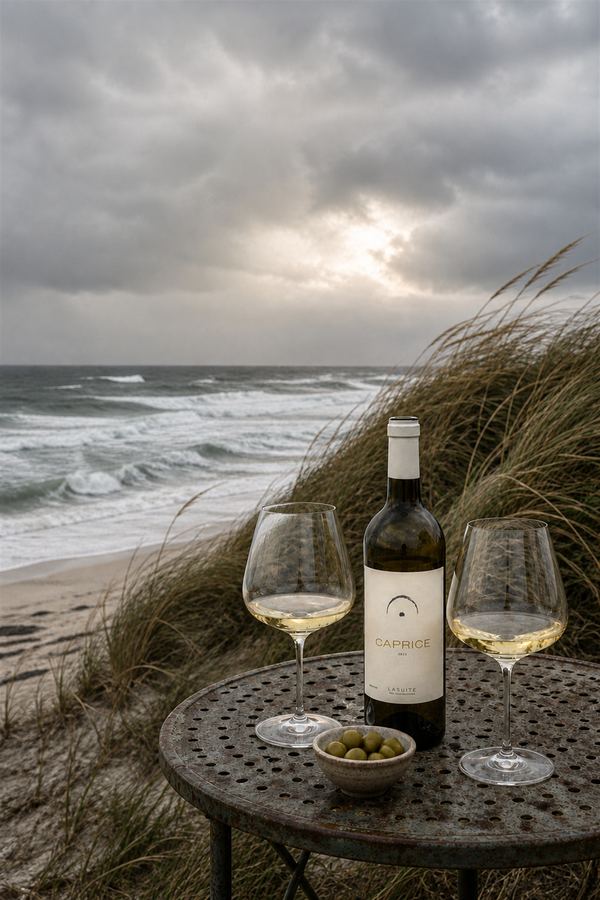
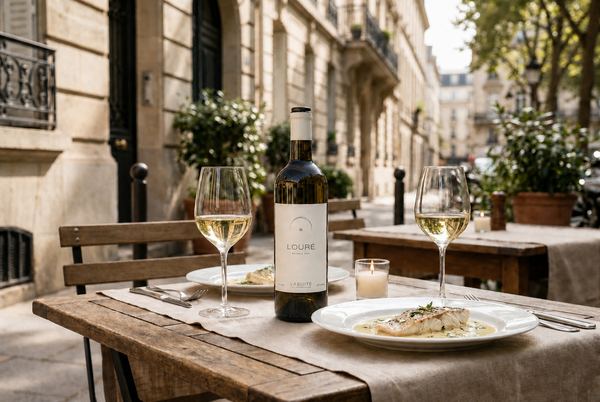
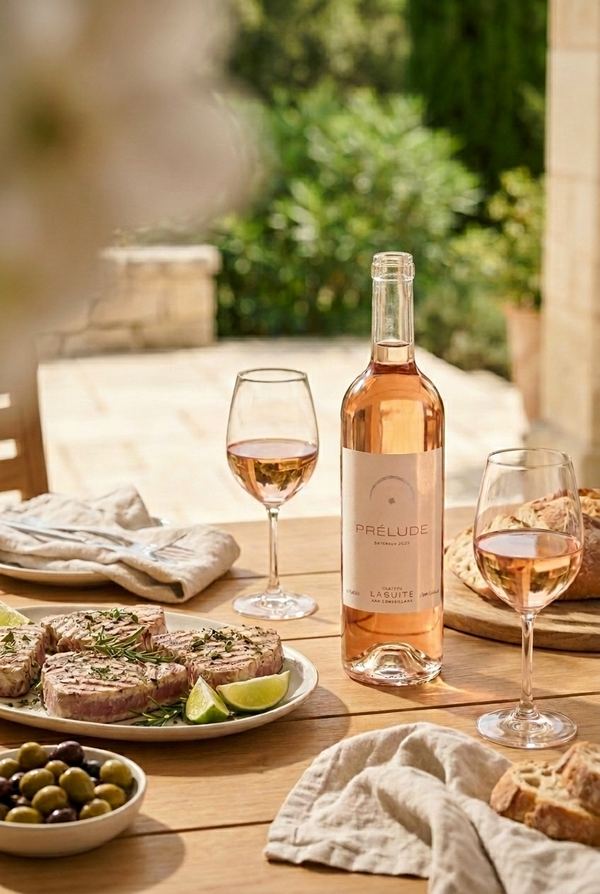
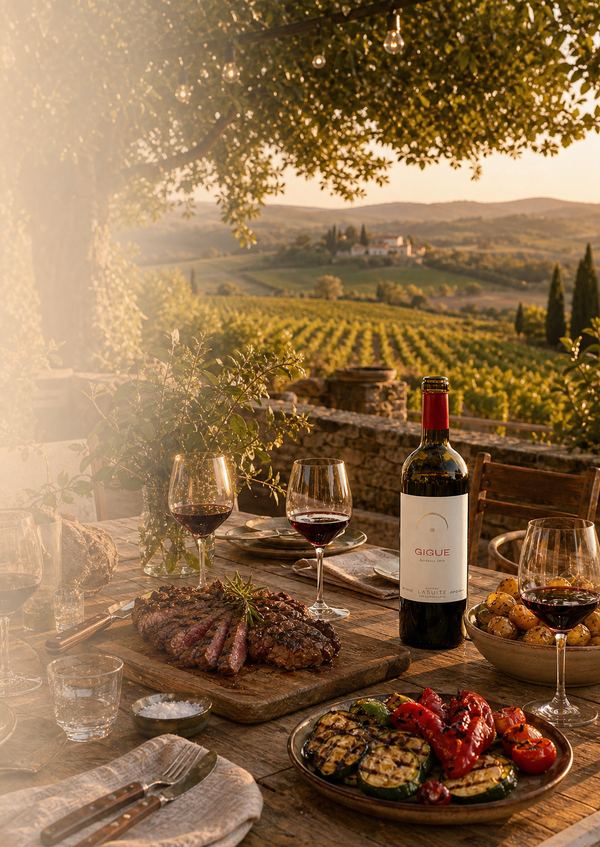
We release each wine only when we would most like to drink it ourselves.Marc & Ellen Ruhland
For us, time is an ingredient.