
The centrepiece · Bordeaux red wine
Sarabande2014
Library — no longer available from us.
Arriving
Like an evening in Paris.
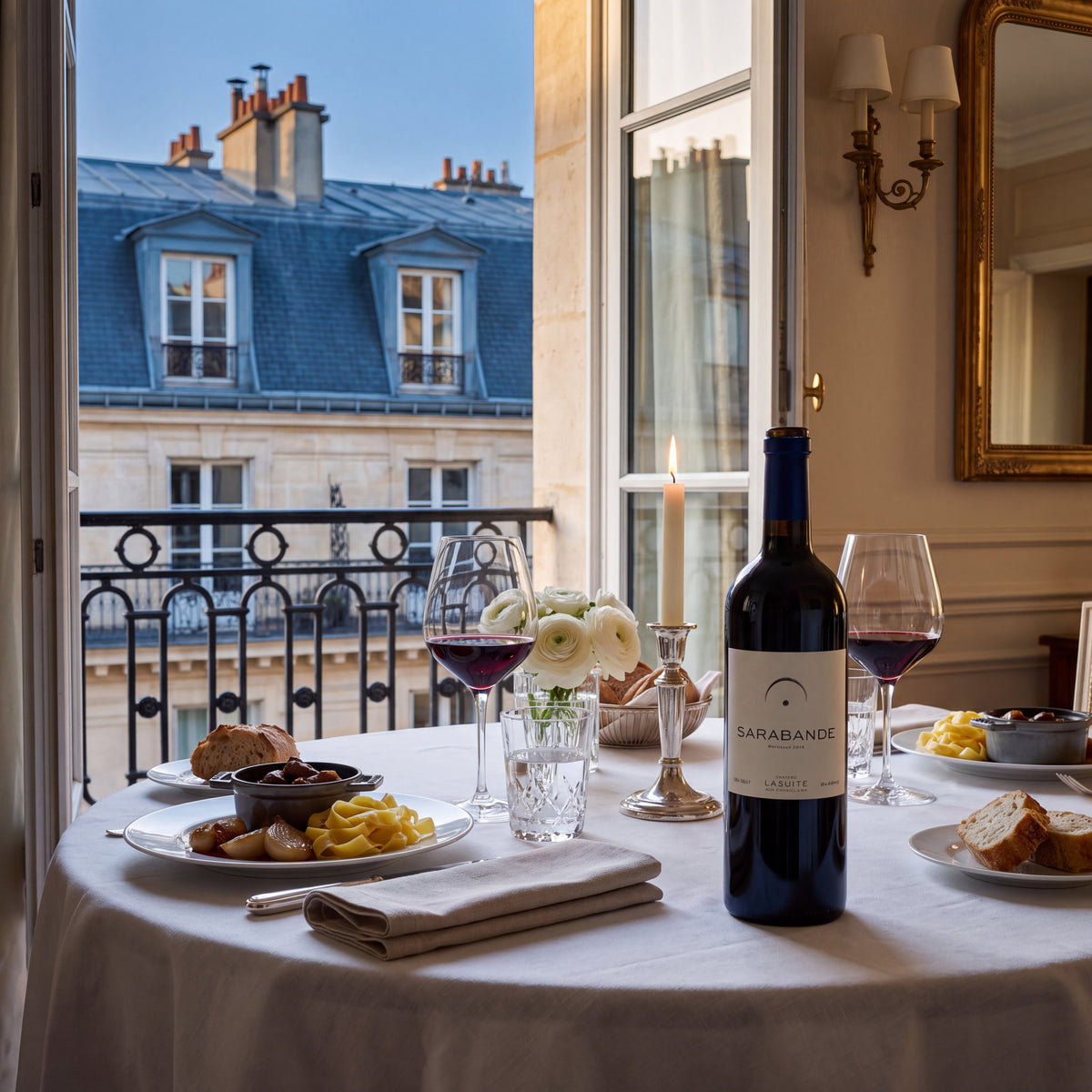
A wine of calm and depth. Dark fruit, graphite and the cool elegance of long ageing.
Slow, dignified, of quiet complexity — that is how a sarabande sounds, and how this wine tastes.
- Grape varieties
- 60% Merlot, 25% Cabernet Sauvignon, 11% Malbec, 4% Cabernet Franc
- Limitation
- 9841
- Ageing
- 16 months in barrique, 50% new wood
- Yield
- 47 hl/ha
- Analysis
- 13 % vol · pH 3.70
- Drinking window
- 2019 – 2024
- Serving temperature
- 16–18 °C
- Decanting
- aerate 30–60 min
Outside, evening falls
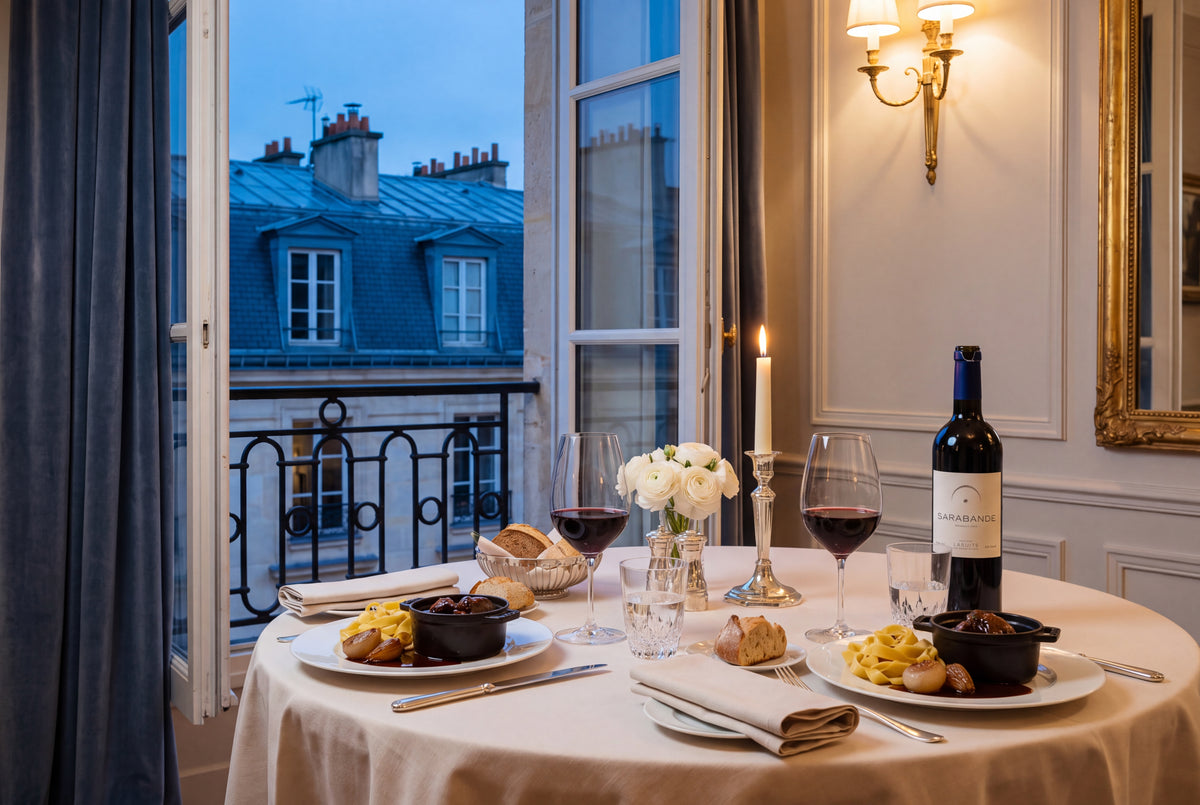
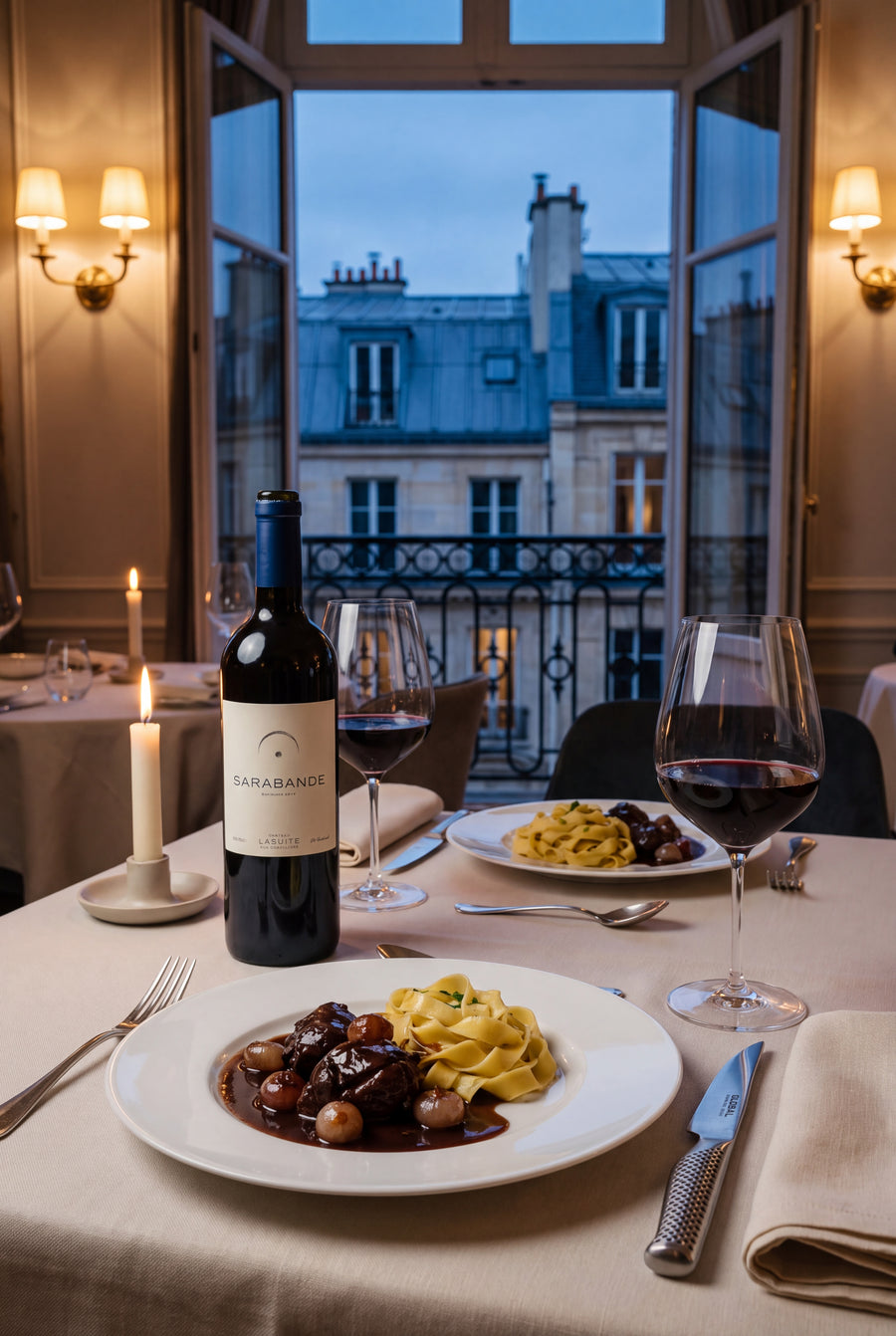
The first glass
The flavour profile of Sarabande 2014
This cuvée is the heart of our estate and is made each year from all the red grape varieties of the Domaine. Merlot, Cabernet Sauvignon and Malbec bring the taste of dark berries, cocoa and graphite, underscored by the earthy notes of Cabernet Franc. The barrique, half of it new, gives depth without weight. A many-layered red wine that gains in complexity over the years.
Why Sarabande
A slow dance in triple time.
A suite is a sequence of dances. Each has its own character, and only all together do they make the whole. That is how our estate is built: each cuvée is inspired by a movement of this suite and takes on the character of its form.The Sarabande is the grave, dignified dance that takes its time. Among our reds it stands in the middle, between the lively Gigue and the majestic Allemande. That is why this wine ages long, and why it wants to be drunk slowly.
Sarabande is the quiet centre of the Suite, built for long ageing.
Claude Debussy — Sarabande, Pour le piano
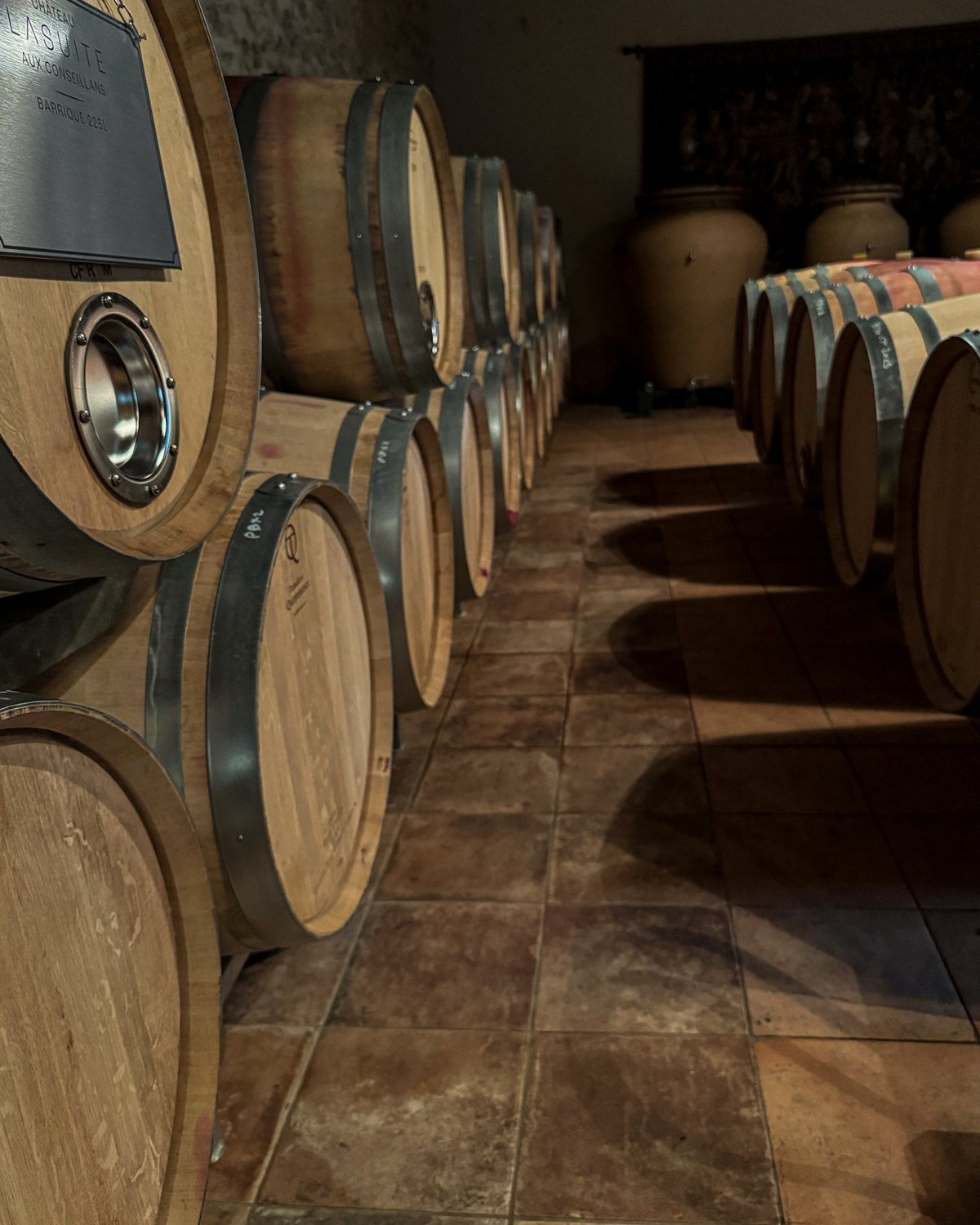
Sixteen months · In the chai
Sixteen months in barrique, then the long rest of the bottle in the estate’s cellar.
Aged in our own cellar.
Aged under control in barrel and vinified plot by plot — then the years of bottle rest in our own cellar, until we consider the wine ready to drink.
Maturity — how it drinks today
In its late maturity
Optimal drinking window of Sarabande 2014
2019 – 2024
Serving temperature 16–18 °C.
Our principles
Why we take the trouble
Ageing in our own cellar
Most of our wines go on sale only once they are ready to drink; until then they mature with us, and we carry the risk.
Composed plot by plot
Each plot is vinified separately; only at the end do we compose the cuvée from them.
Time as an ingredient
Depth takes time. We give the wines the years in barrel and bottle that they need.
Organic & HVE4
The Domaine's vineyards are certified organic and HVE4, set within a 19-hectare ecosystem of woodland, meadows, water and vines.
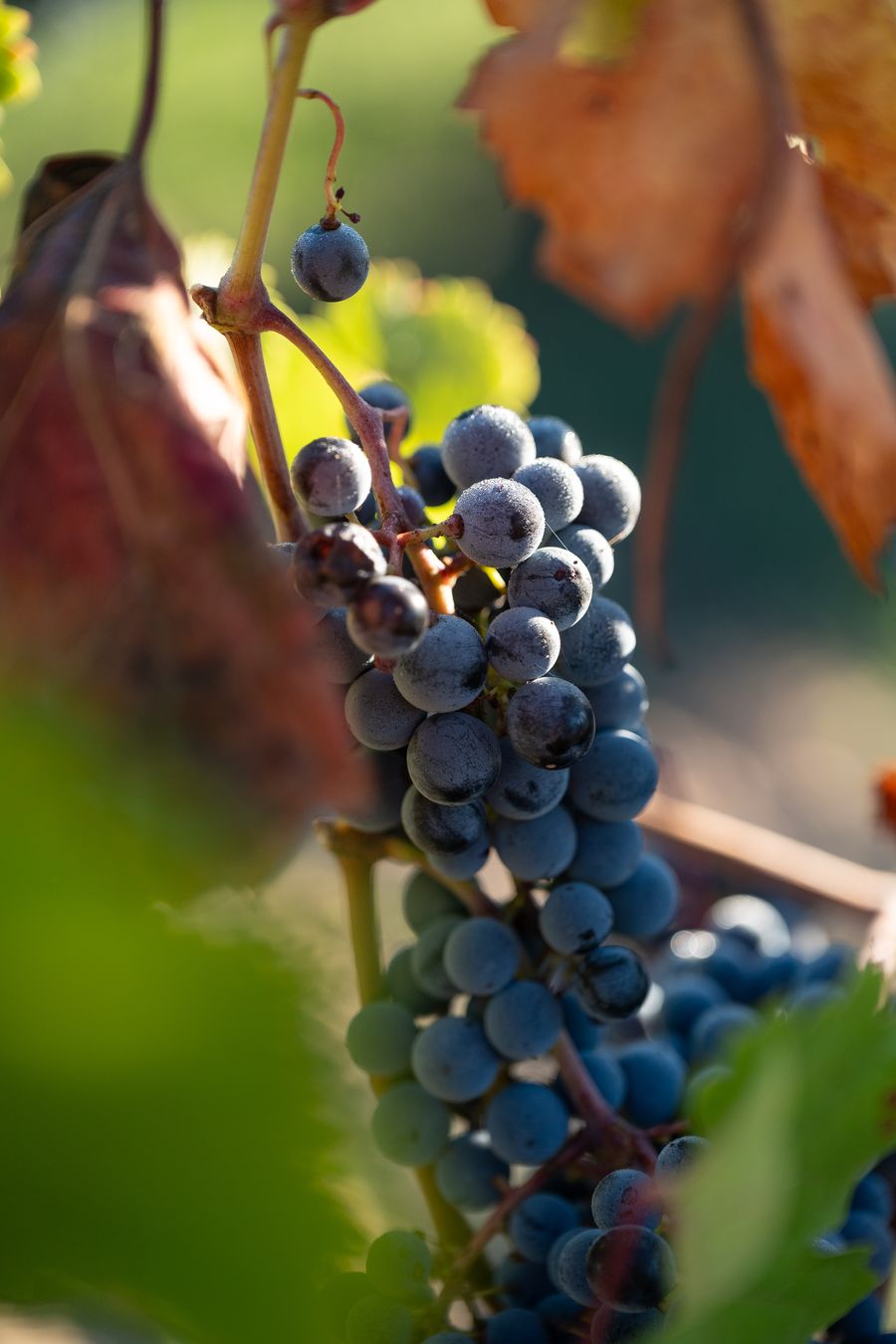
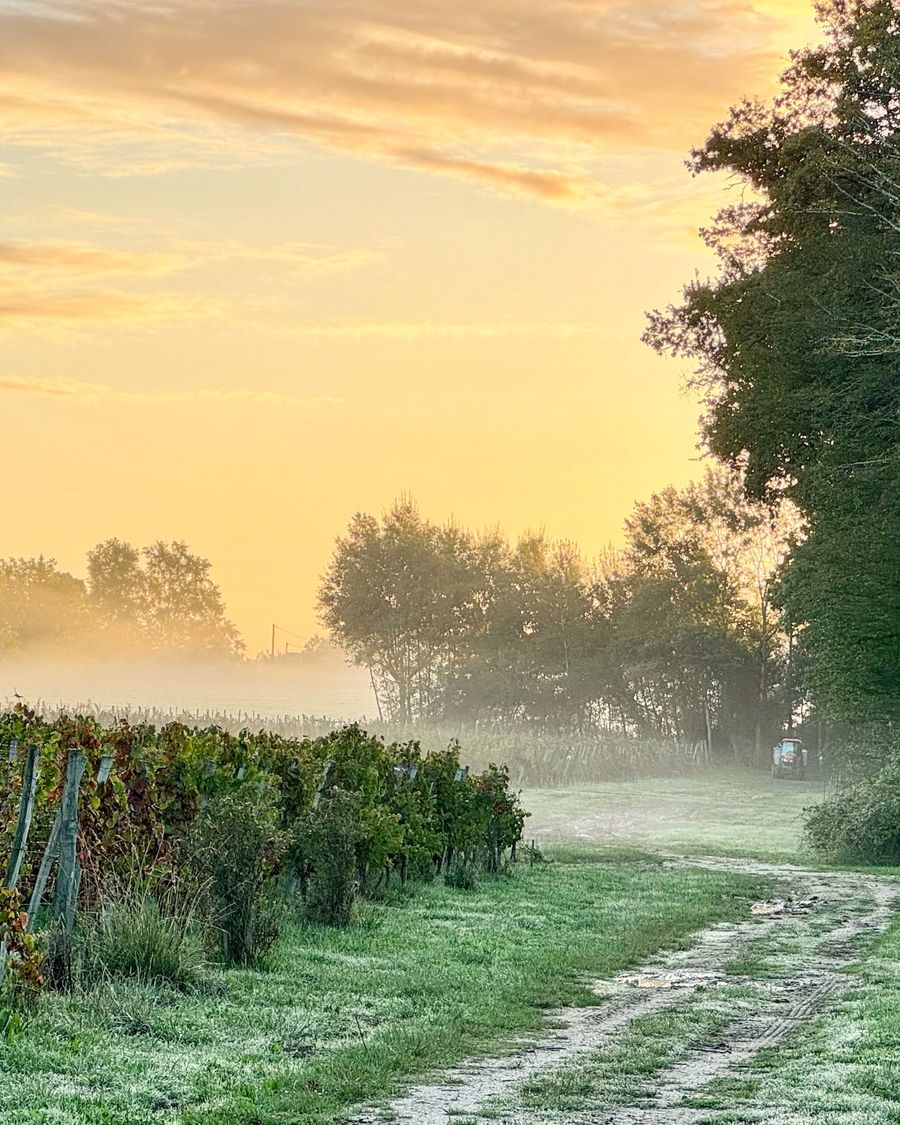
The terroir and the wine it yields
Where it comes from
The parcel map
Click on a parcel number to find out more about it.Tap a parcel number to find out more about it.

- ClayCool and water-holding: depth, structure, a long life.
- Clay-gravelWhere two worlds meet: strength with finesse.
- GravelWarm and draining: energy, precision, lift.
- SandLight and open: freshness and a free hand.
The blend of Sarabande 2014
4 Grape varieties
- 60%Merlot
- 25%Cabernet Sauvignon
- 11%Malbec
- 4%Cabernet Franc
Each plot is vinified separately; only at the end does the cuvée come together. More about our terroirs.
Precision & method
In the tradition of modern oenology
Aux Conseillans was for decades the Domaine of Jean Ribéreau-Gayon — one of the co-founders of modern oenology, founder of the Institute of Oenology at the University of Bordeaux (1949) and long-time owner of the estate. We work in that tradition: each plot analysed and vinified separately, the ageing guided under control, drinking maturity checked in a blind tasting.
The second hour
Over the second hour the wine gains further in expression.
Your evening
A wine for the table.
Dishes to pair
A selection from our recipe kitchen, matched to the structure and maturity of this wine.
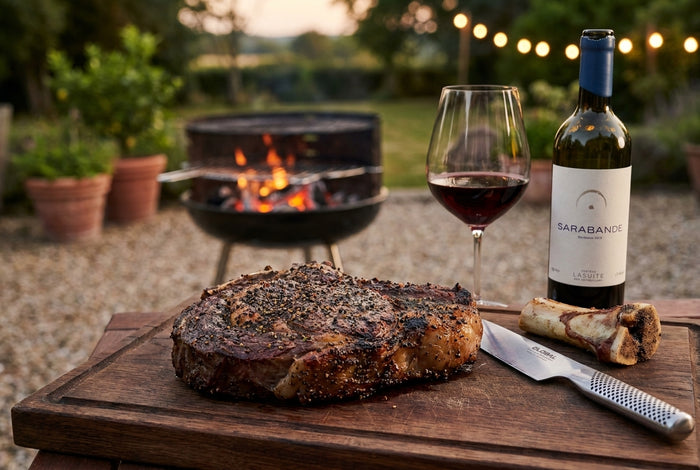
Basse côte from the grill – pepper-herb crust
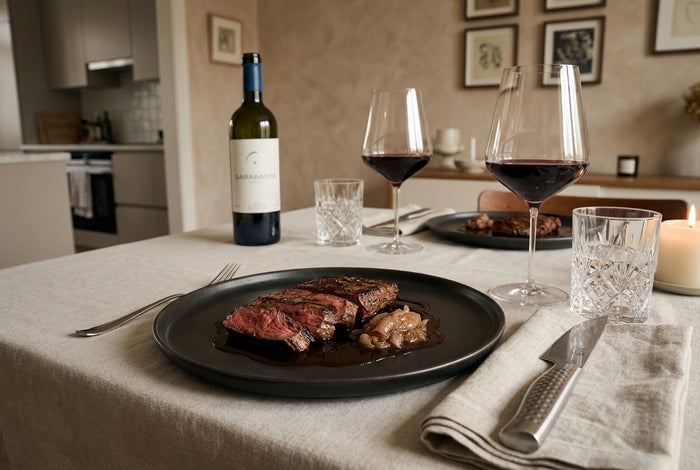
Grilled bavette – sauce bordelaise & shallot confit
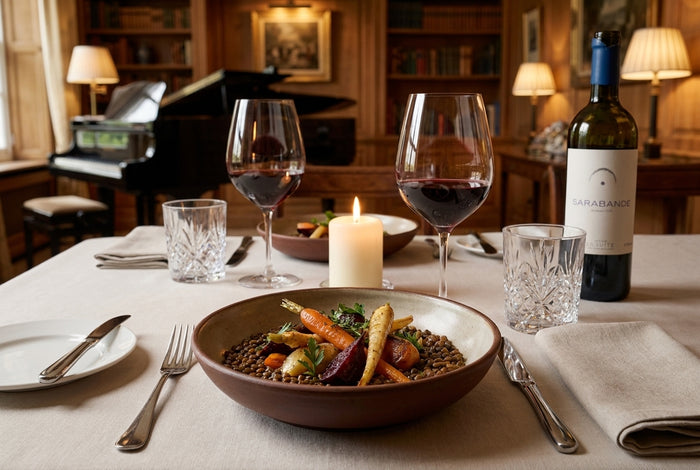
Braised mountain lentils – root vegetables & sherry
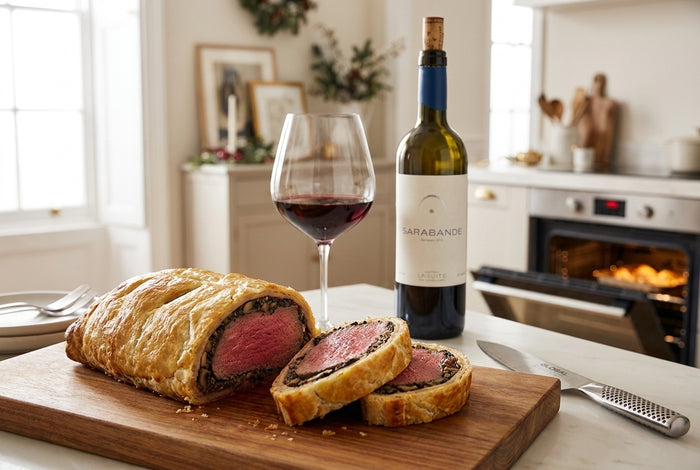
Bœuf en croûte, mushroom duxelles

Cassoulet de Castelnaudary — white beans, duck confit & Saucisse de Toulouse

Cerf, sauce grand veneur — Red deer saddle with juniper red-wine jus & lingonberry
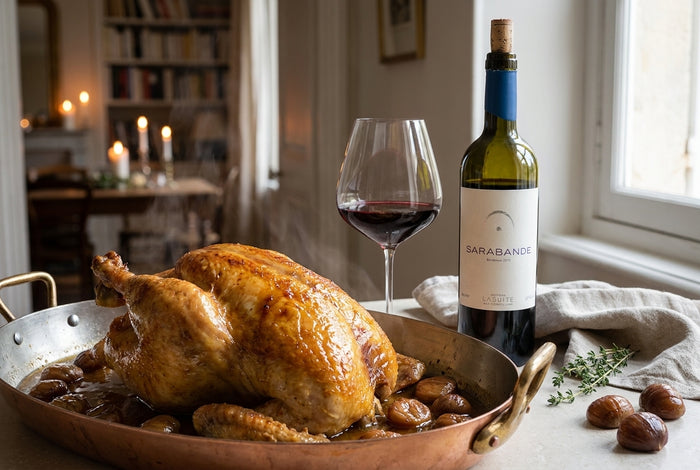
Chapon rôti aux marrons
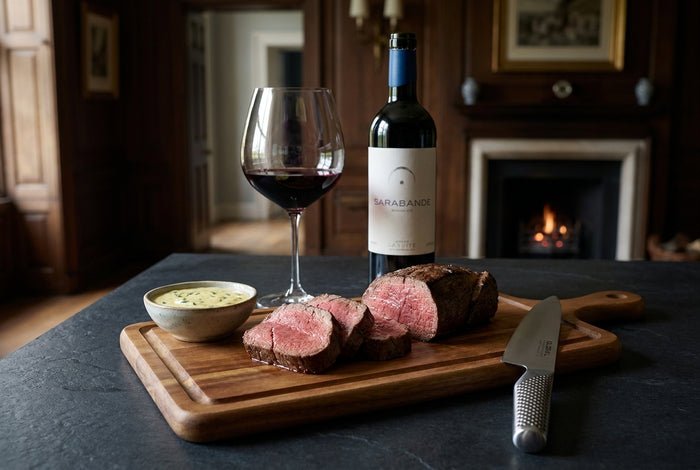
Châteaubriand, sauce béarnaise
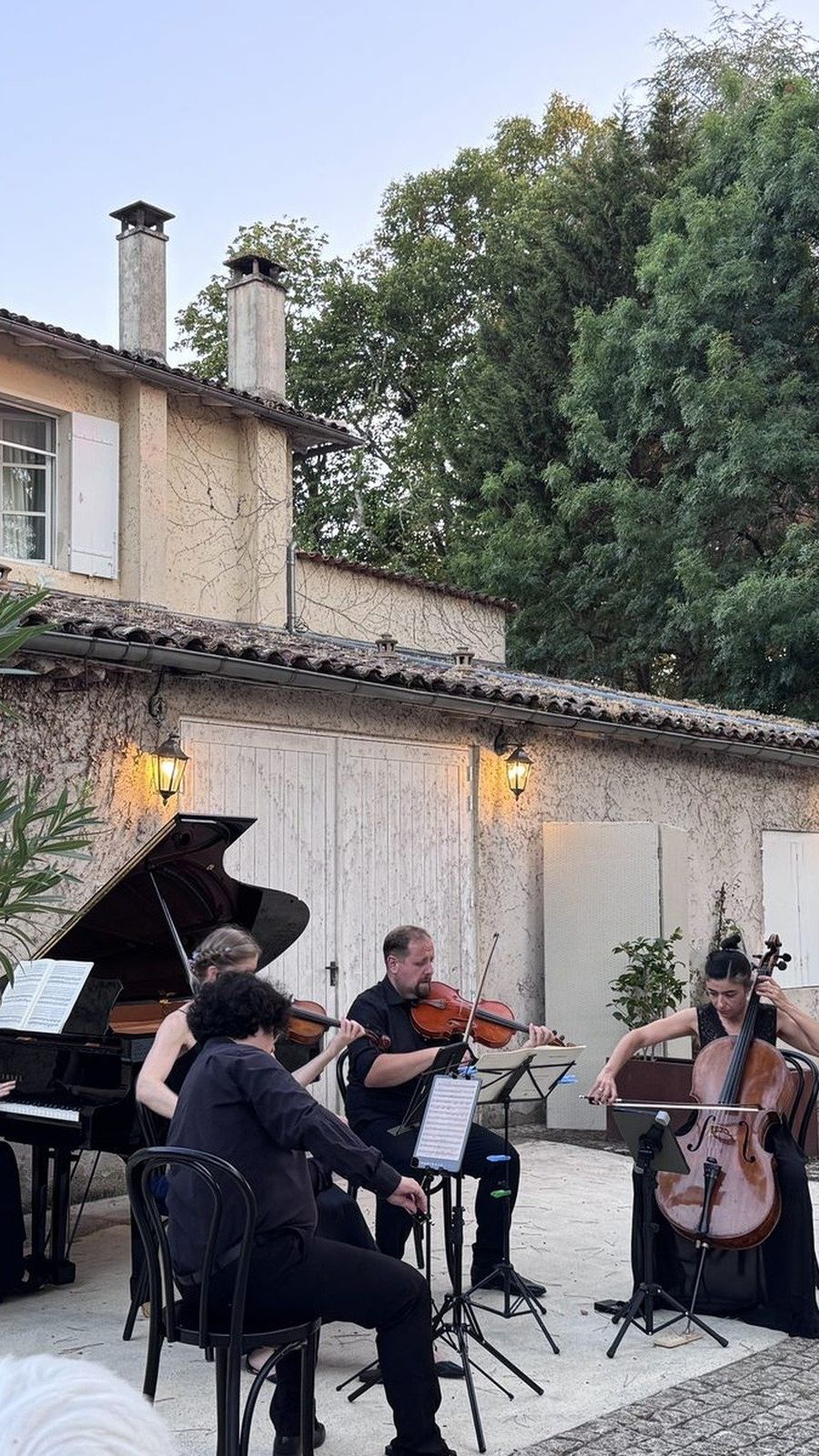
The mood to match the wine
A playlist for the moment
If you are a friend of classical music, here is a playlist that may suit your evening and the character of this wine. One possibility among many; listen in, if you like.
Library
The story of this vintage is complete
The last bottles of Sarabande 2014 have left the estate. Drinking window, decanting and recipes remain here for everyone who still has bottles of it in their cellar.
Frequently Asked Questions · Sarabande 2014
Good to know
Can I still buy Sarabande 2014?
No. The last bottles have left the estate; the vintage now belongs to our library. The younger vintages of Sarabande are available and ready to drink.
Which grape varieties make up Sarabande 2014?
60% Merlot, 25% Cabernet Sauvignon, 11% Malbec and 4% Cabernet Franc, aged 16 months in barrique, half of it new oak.
Is the wine organic?
The Domaine is certified organic and additionally holds HVE4, the highest level of the French environmental certification. Our vineyards have always been farmed close to nature. However, the official organic label may only appear on our wines from the 2022 vintage onward — earlier vintages are farmed close to nature but do not yet carry official organic certification.
Technical data sheet · Sarabande 2014
| Wine | Sarabande 2014 |
|---|---|
| Estate | LaSuite aux Conseillans |
| Origin | Saint-Caprais-de-Bordeaux, Bordeaux, France |
| Type | red wine |
| Appellation | AOC Cadillac |
| Grape varieties | 60% Merlot, 25% Cabernet Sauvignon, 11% Malbec, 4% Cabernet Franc |
| Plots and soils | predominantly clay, with clay-gravel |
| Yield | 47 hl/ha |
| Ageing | 16 months in barrique, 50% new wood; then bottle ageing in our own cellar |
| Released | 11 Sep 2019 |
| Analysis | 13 % vol · pH 3.70 |
| Edition | 9841 bottles |
| Drinking window | 2019 – 2024 |
| Serving temperature | 16–18 °C |
| Decanting | aerate 30–60 min |
| Viticulture | Domaine now organic- and HVE4-certified; this vintage was made naturally, before official organic certification. |
| Formats | 0.75 L, 6 L Methuselah; for members of Le Cercle: 1.5 L Magnum, 3 L Double Magnum, 12 L Balthazar |
| Place in the Suite | The middle of the reds, between Gigue and Allemande; “the centrepiece” |
| Musical reference | Claude Debussy — Sarabande, Pour le piano |
| Item number | LS-SARA-14-075 |
The vintages
Sarabande through the years
Every vintage plays the same movement, each in its own key. The bar shows when a vintage opens and how long it carries; the line marks today.
- 2014 Library
The earliest vintage of the series, sixteen months in barrique.
Drinking window 2019 – 2024This vintage -
2015
Ready to drink
A dry year with a warm, dry late season and good ripeness.
Drinking window 2025 – 2032View vintage -
2016
Ready to drink
A wet spring, then a dry summer and a slow, even ripening.
Drinking window 2025 – 2036View vintage -
2017
Maturing in the cellar
The year of the April frost in the Bordelais, followed by a calm season and a small harvest.
Drinking window 2027 – 2035View in the cellar -
2018
Maturing in the cellar
A demanding early summer, then ideal ripening weather from mid-July to the end of September.
Drinking window 2028 – 2053View in the cellar -
2019
Maturing in the cellar
A cool spring, a hot July and a harvest free of rot pressure.
Drinking window 2029 – 2040View in the cellar - 2020 Maturing in the cellarView in the cellar
- 2021 Maturing in the cellarDrinking window 2031 – 2045View in the cellar
- 2022 Maturing in the cellarView in the cellar
- 2024 Maturing in the cellarView in the cellar
- 2025 Maturing in the cellarView in the cellar
- 2026 Maturing in the cellarView in the cellar
The repertoire
The other movements of the Suite
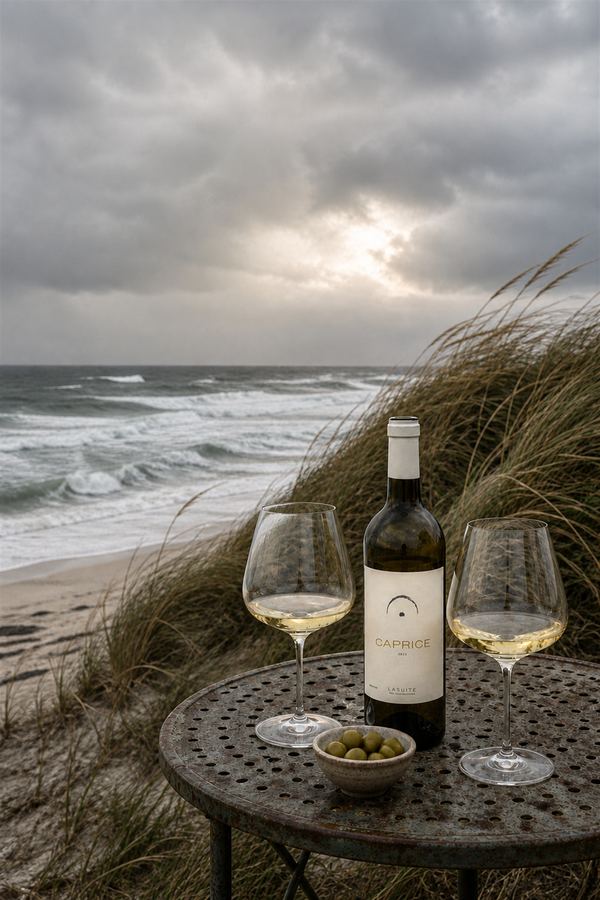
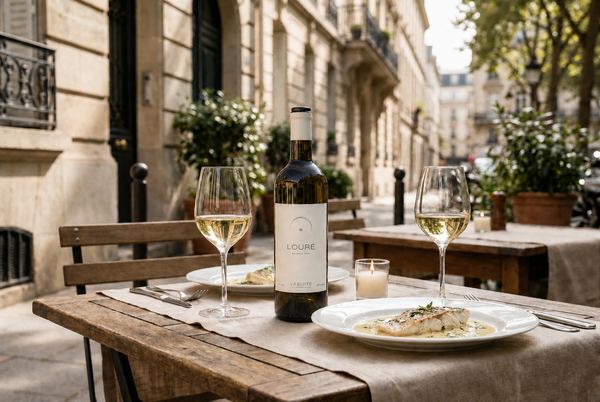
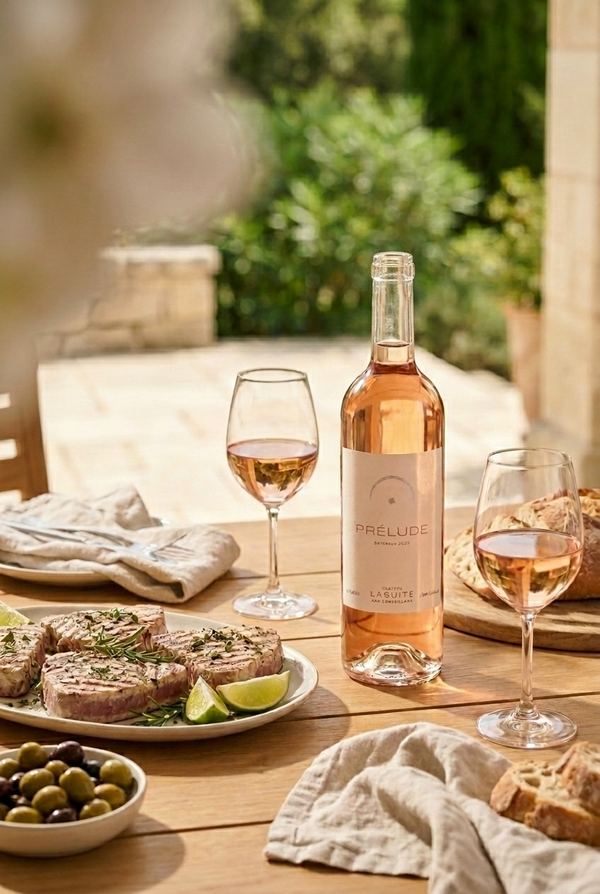
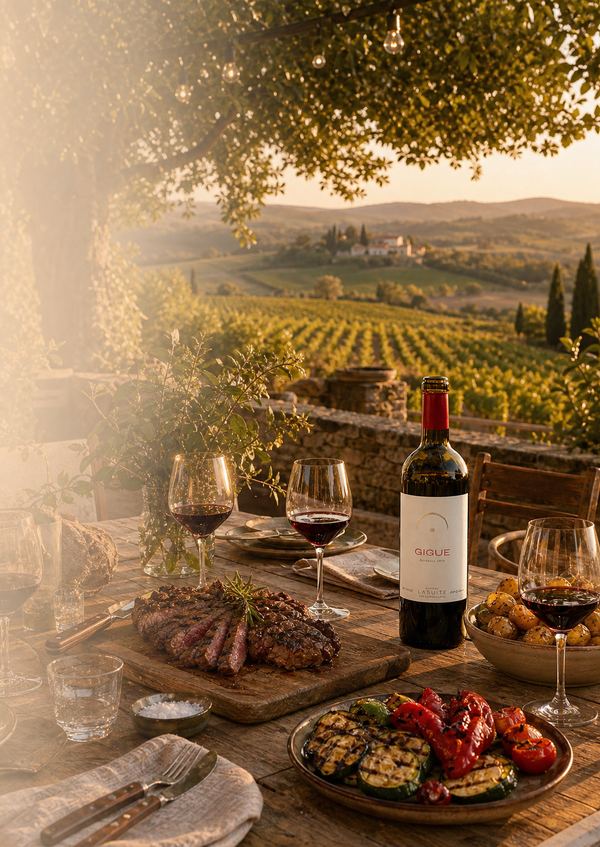
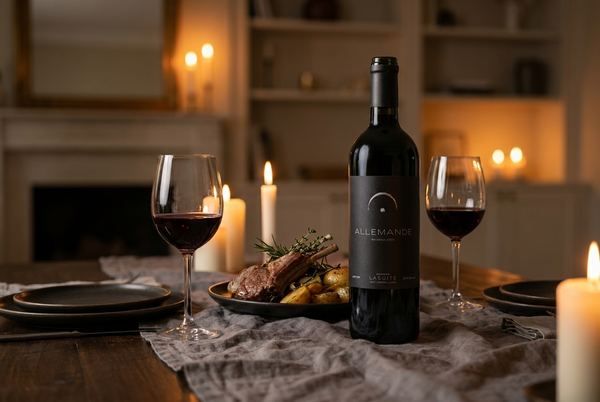
Each cuvée has its own voice, from the rosé to the red that needs decades. In weak years we skip one entirely; that is why the repertoire is rarely complete.
We release each wine only when we would most like to drink it ourselves.Marc & Ellen Ruhland
For us, time is an ingredient.